Upper Antelope Canyon Sightseeing in Winter: Is It Worth Visiting?
Antelope Canyon, located near Page, Arizona, is one of the most iconic slot canyons in the world. Known for its swirling red sandstone walls and ethereal light beams, it attracts...
Antelope Canyon, located near Page, Arizona, is one of the most iconic slot canyons in the world. Known for its swirling red sandstone walls and ethereal light beams, it attracts hundreds of thousands of visitors every...
Introduction
Antelope Canyon, located near Page, Arizona, is one of the most iconic slot canyons in the world. Known for its swirling red sandstone walls and ethereal light beams, it attracts hundreds of thousands of visitors every year. Most travelers picture Antelope Canyon in the summer, when sunlight penetrates the narrow canyon cracks to create dramatic beams. But what about the winter months? Is Antelope Canyon in winter worth visiting?
The short answer is yes—Antelope Canyon offers a unique, quieter, and equally breathtaking experience in the colder months. This article will explore everything you need to know: weather conditions, crowds, light beams, photography tips, Upper vs Lower Canyon differences, tour availability, safety considerations, and more. By the end, you will have a clear idea of whether a winter visit fits your travel style.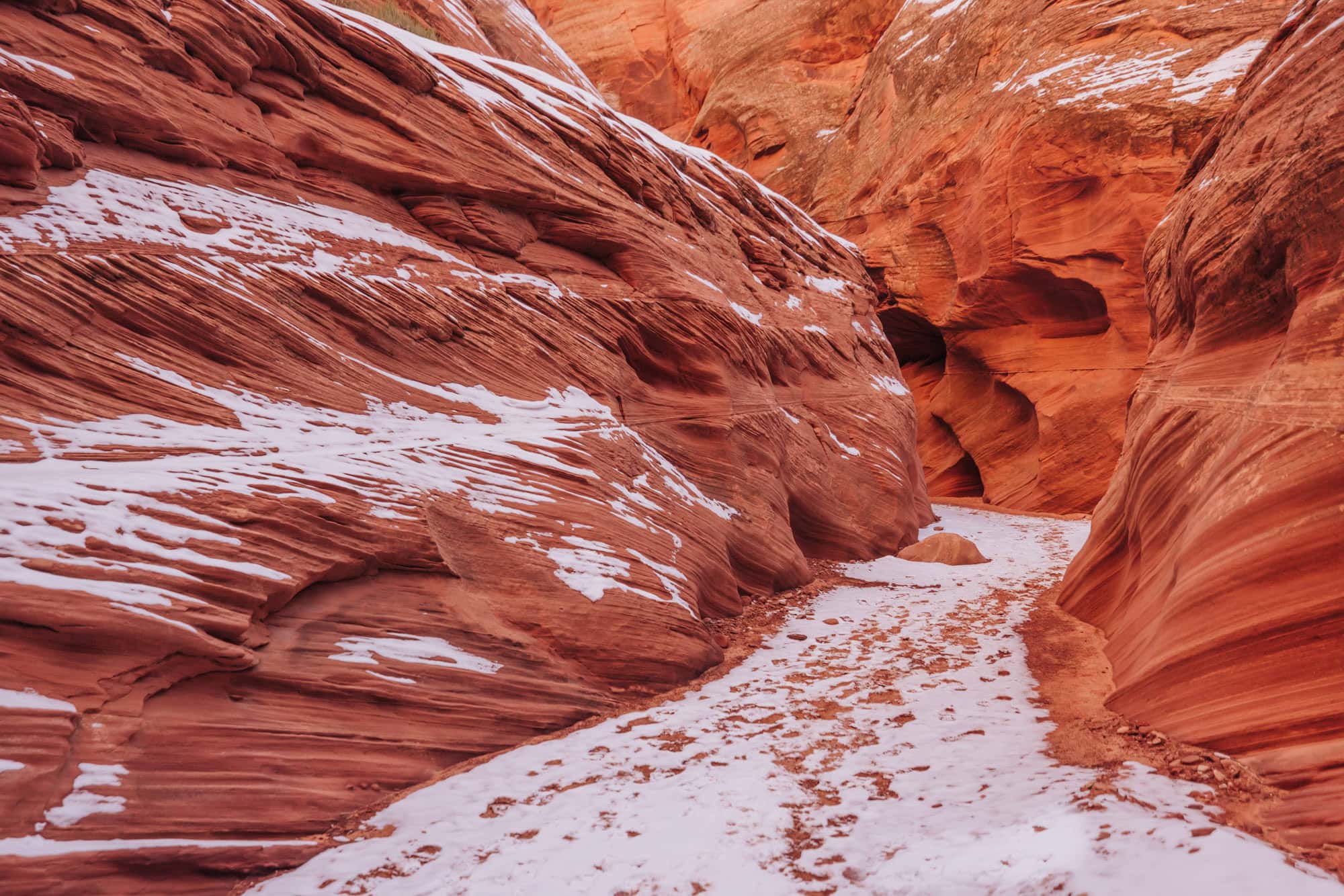
Weather in Antelope Canyon During Winter
- Temperature: Daytime highs range between 40–55°F (5–13°C), with nights often dropping below freezing.
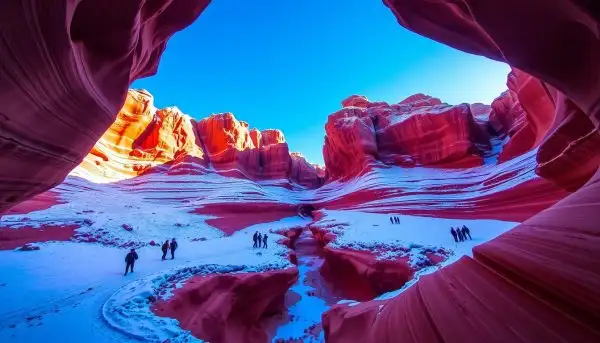
- Snow: Snow in Page is rare but possible. The surrounding mesas may be dusted white, creating a stunning contrast with the red sandstone.
- Light conditions: Winter sun sits lower in the sky, producing softer and more angled light inside the canyon. This means fewer light beams but richer color contrasts.
- Comfort factor: Many visitors find winter more comfortable than summer, when temperatures can soar above 100°F (38°C).
Pros
- Fewer Crowds – Winter is the off-season. Tours are less crowded, giving you more space to enjoy and photograph.
- Lower Prices – Some tour operators and hotels offer lower rates in winter.
- Easier Availability – You can often book tours just days in advance, unlike peak summer when slots sell out months ahead.
- Unique Atmosphere – The softer light gives the canyon a mysterious and tranquil vibe.
Cons
- Light Beams Are Rare – Famous beams appear mainly from May to September, around midday.
- Shorter Days – Sunset comes earlier, limiting tour options.
- Cold Conditions – Layered clothing is necessary, and stairs in Lower Antelope Canyon can be slippery.
- Weather Risks – Though flash floods are less likely than in monsoon season, tours may still cancel for snow or icy conditions.
Upper vs Lower Antelope Canyon in Winter
Upper Antelope Canyon (“The Crack”)
- Easier walk with flat ground; more accessible for families and seniors.
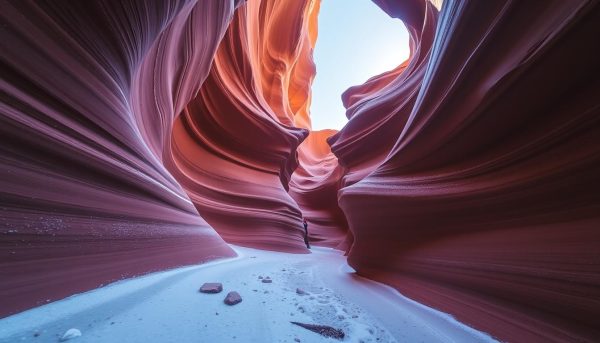
- Wider spaces allow more sunlight, making winter photography easier.
- Best choice for visitors prioritizing comfort and accessibility.
Lower Antelope Canyon (“The Corkscrew”)
- Narrower, with ladders and stairs to climb.
- Can be slippery in winter due to sand and occasional ice.
- Provides more dramatic twists, textures, and photographic opportunities.
Tip: If mobility is a concern in winter, choose Upper. For adventure and texture-rich photography, Lower is rewarding.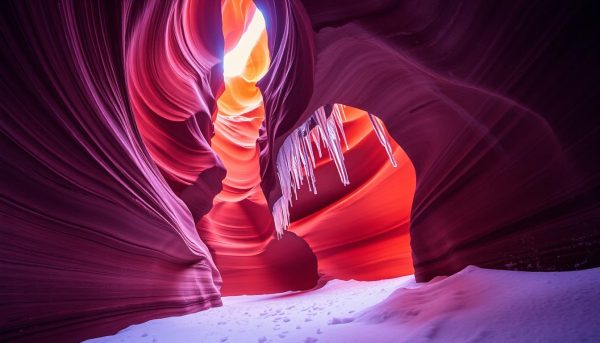
Photography Tips for Winter
Winter light inside Antelope Canyon is softer, but this opens opportunities:
- Camera Settings: ISO 400–800, aperture f/4–f/5.6, shutter speed adjusted for handheld shots (1/60s+).
- Lens Choice: Wide-angle (16–35mm) for sweeping canyon interiors, 24–70mm for tighter frames.
- White Balance: Use auto or daylight and adjust in RAW editing.
- Tripods: Only allowed on dedicated photography tours; standard tours prohibit them.
- Best Times: Midday still gives the most light, even if beams are absent.
Tour Options and Booking in Winter
- Book 1–2 weeks in advance for winter.
- Always confirm refund policies in case of weather closures.
- Choose reputable Navajo tour operators for the most authentic experience.
Safety Considerations
- Flash Floods: Lower risk in winter but still possible; tours will cancel if unsafe.
- Stairs & Surfaces: Lower Canyon ladders can be icy—wear hiking shoes with grip.
- Cold Weather: Dress in layers and bring gloves, especially for early tours.
- Navajo Rules: Respect cultural guidelines; Antelope Canyon is on Navajo Nation land and entry is only via guided tour.
Packing List for Winter Visitors
- Warm layered clothing
- Sturdy hiking shoes with traction
- Lightweight gloves (camera-friendly)
- Camera gear (extra batteries for cold weather)
- Water bottle & light snacks
- Sunglasses and sunscreen (UV strong even in winter)
FAQ
Q: Is Antelope Canyon open in winter?
Yes. Tours usually run year-round, weather permitting.
Q: Can you see light beams in winter?
Rarely. They mostly appear from May to September.
Q: Which is better in winter, Upper or Lower Canyon?
Upper is easier and better lit; Lower is more adventurous but slippery.
Q: Do you need to book in advance in winter?
Yes, but you usually need less lead time than summer.
Q: Is winter safer than summer?
Yes, because flash floods are less likely, but icy stairs in Lower Canyon can be a hazard.
Conclusion
So, is Antelope Canyon worth visiting in winter?
Absolutely. If you’re chasing the iconic light beams, summer is best. But if you prefer fewer crowds, softer light for photography, lower prices, and a peaceful experience, winter is an excellent time to go. Upper Antelope Canyon is ideal for accessibility and families, while Lower Antelope Canyon delivers an adventurous experience even in colder weather.
Antelope Canyon in winter is not just worth it — it’s unforgettable in its own unique way.